HFWW 2024 has a writing workshop for everybody
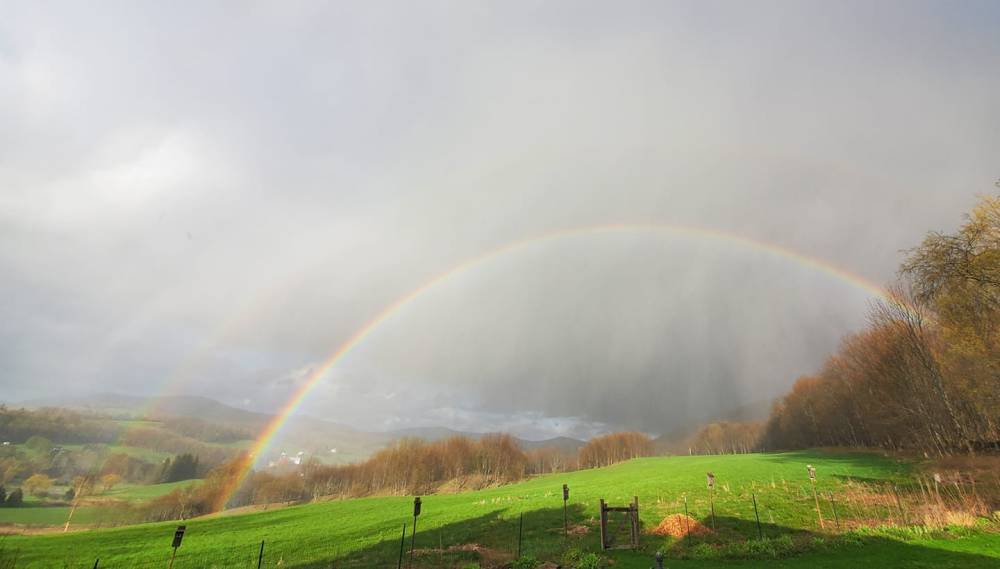
Hobart Festival of Women Writers 2024 is June 7, 8 &9
Settle in for a weekend dedicated to literature and women writers in Hobart, NY, a village set against the panorama of the Western Catskills. Explore Hobart, the Reading Capital of New York State and home to nine independent bookstores. http://www.hobartbookvillage.com/ Hobart Festival of Women Writers will take over the town on June 7, 8, &9th. In addition to public readings on all three days, our Participating Writers are offering an array of workshops and panel discussions that will engage, challenge, inspire, and motivate. Come and join us to celebrate the work of women authors and explore the writing craft. Poets, Fiction Writers, Essayists, Memoirists and all lovers of language are invited and welcomed.
Workshops for Festival 2024
Shifting Perspectives / Point of View led by Nancy Agabian
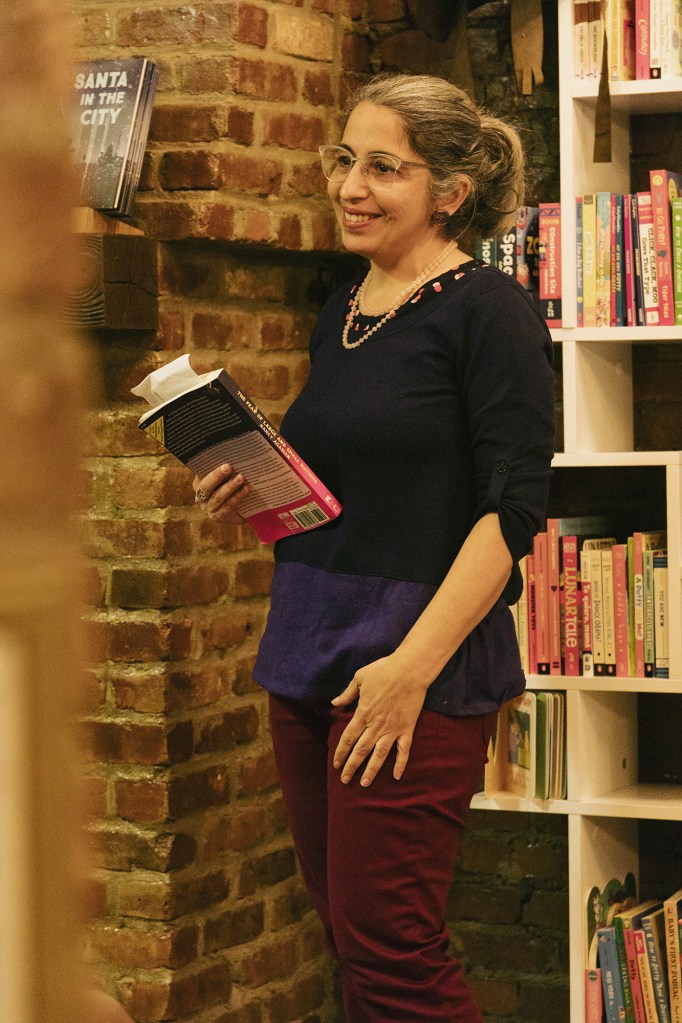
When writing memoir, personal essay, or autobiographical fiction, writers often default to a first-person narration. But writing in an alternative point of view, such as second person (you), third person (he, she, they), or plural forms (we, us, our), may lead to specific storytelling styles more appropriate for your subject matter. Shifting point of view may also give you distance or a different perspective in reflecting on difficult passages from your life. Short texts by authors such as bell hooks, Jamaica Kincaid, Justin Torres, and Ruth Ozeki will help prompt writing exercises.
What Publishers Need: How to pitch your book effectively to an editor or agent with Lynne Elizabeth

The why, who, when, and how to reach out to book publishers and literary agents. What does a publisher or agent offer that I can’t do myself? How to find the right publisher for my work? What is an acquisitions editor? Do I need an agent? What goes into an initial query? What goes into a full proposal (you might be surprised)? Why can’t I just send my manuscript? How to be clear. How to be compelling without being obnoxious. When to be patient and when to persist. Workshop participants will have a chance to draft and critique practice pitch letters.
WRITING THE ABECEDARIAN: All Beings Creative Dreamers, Ever for Good! with Cheryl J. Fish
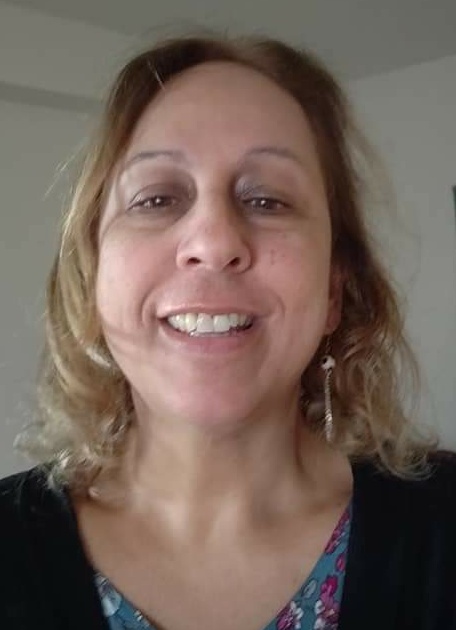
Cheryl J. Fish will explore the world of abecedarians, a form of writing where alphabetical order is followed in what we generate. When we practice the restriction of starting each new line or lines with the next letter of the alphabet, the result can be surprisingly powerful. Participants will read examples of abecedarians in poetry and prose, and work from a series of writing starts, memories, and other inspiration. No experience is necessary.
Wild Nights with Mary Johnson, a.k.a. The Naughty Nun

Experiences that transcend the five senses, bringing you into an altered, expanded state of consciousness, are often described as “beyond words”: spirituality, the artistic process, really good sex, birth, experiences induced by psychedelic substances, love, death. Drawing on a vast selection of texts from ancient religion to science fiction and a whole lot in between, participants will explore nine specific strategies and try them. Includes in-class writing. Suitable for writers of any genre.
Understanding What “They” are Looking For: Publishing from the Other Side of the Equation – with Linda Lowen.
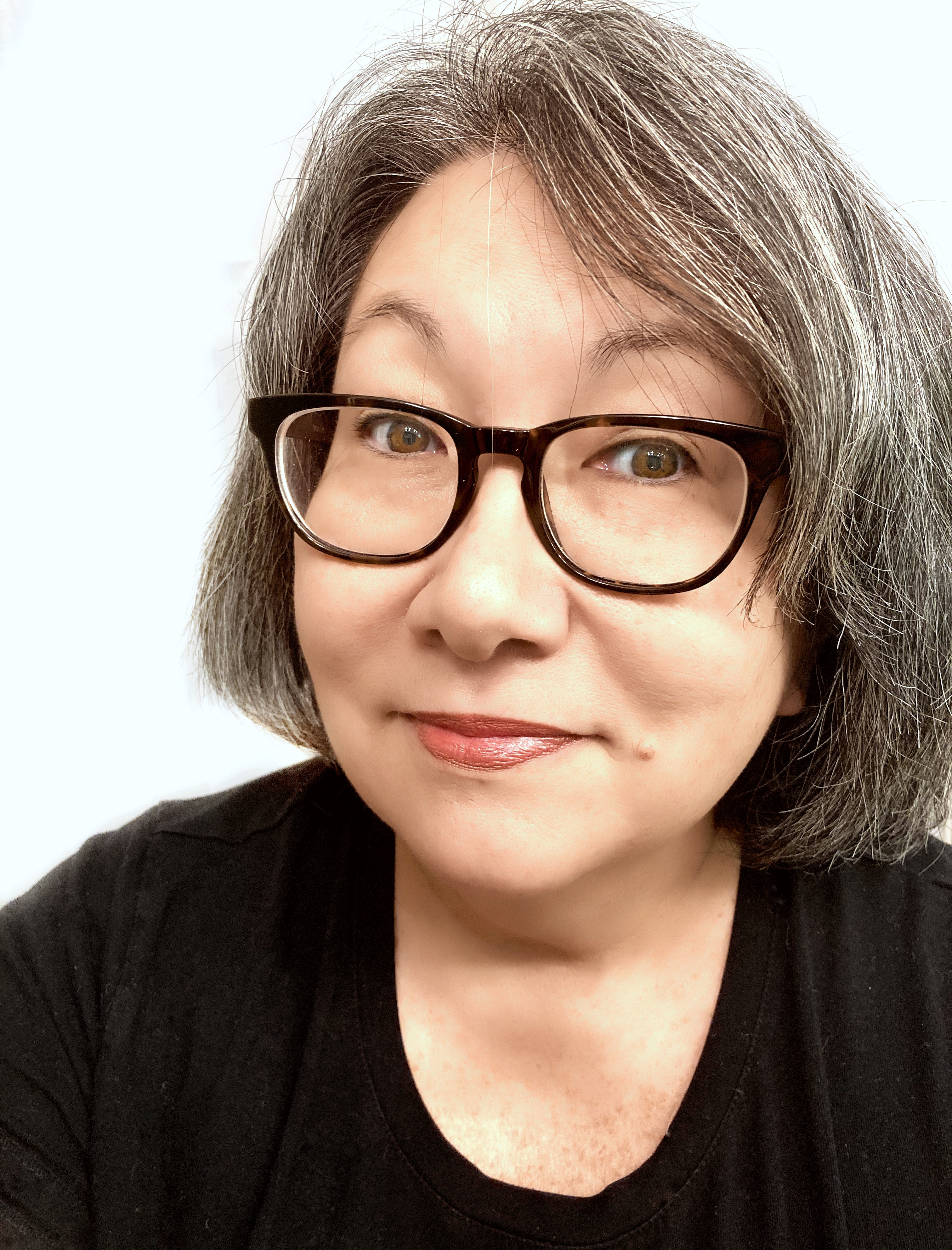
Like every other industry, publishing feels the squeeze of a tight economy. How ‘they’ choose what to publish might surprise you. Learn who the decision-makers are, what they want, why ‘they’ emphasize platform and social media influence (and how you can compensate for that), and how to position yourself as a writer so that work comes your way.
Enlivening the Inner Self in Poetry with Natalia Molebatsi
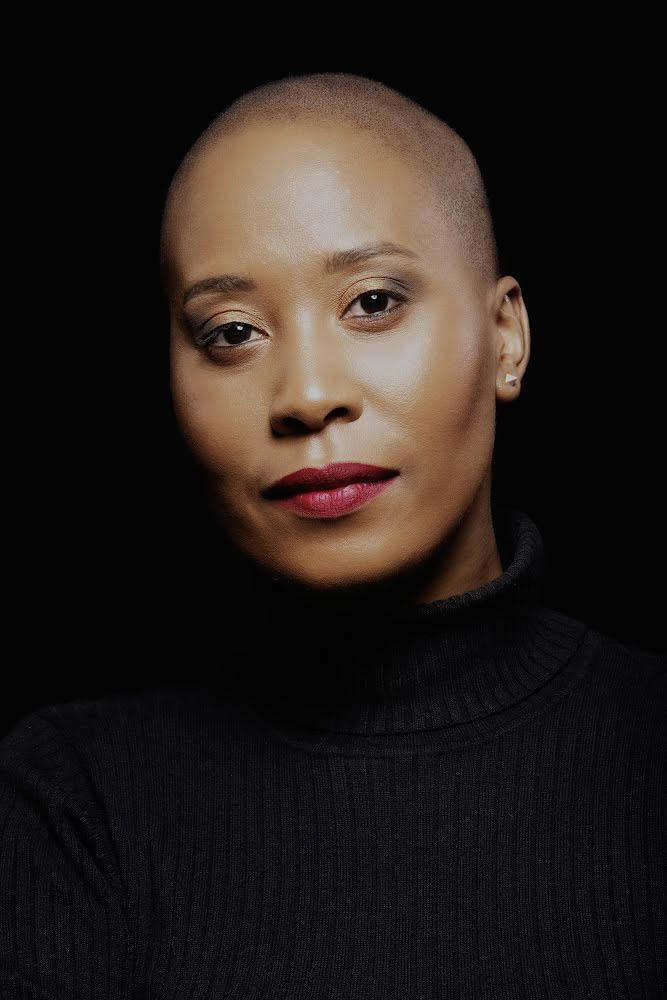
This workshop centers the use of personal narratives/experiences as significant communicative practices to develop new and strengthen existing poems. The workshop draws from everyday embodied learnings to compose concise and animated poems. We will explore a wide range of personal contexts that affect and influence our ways of survival, healing and restoration. The workshop aims to offer a familiarity with core craft and poetry performance techniques.
Crafting the Right Narrator for Your Story with Stephanie Nikolopoulos
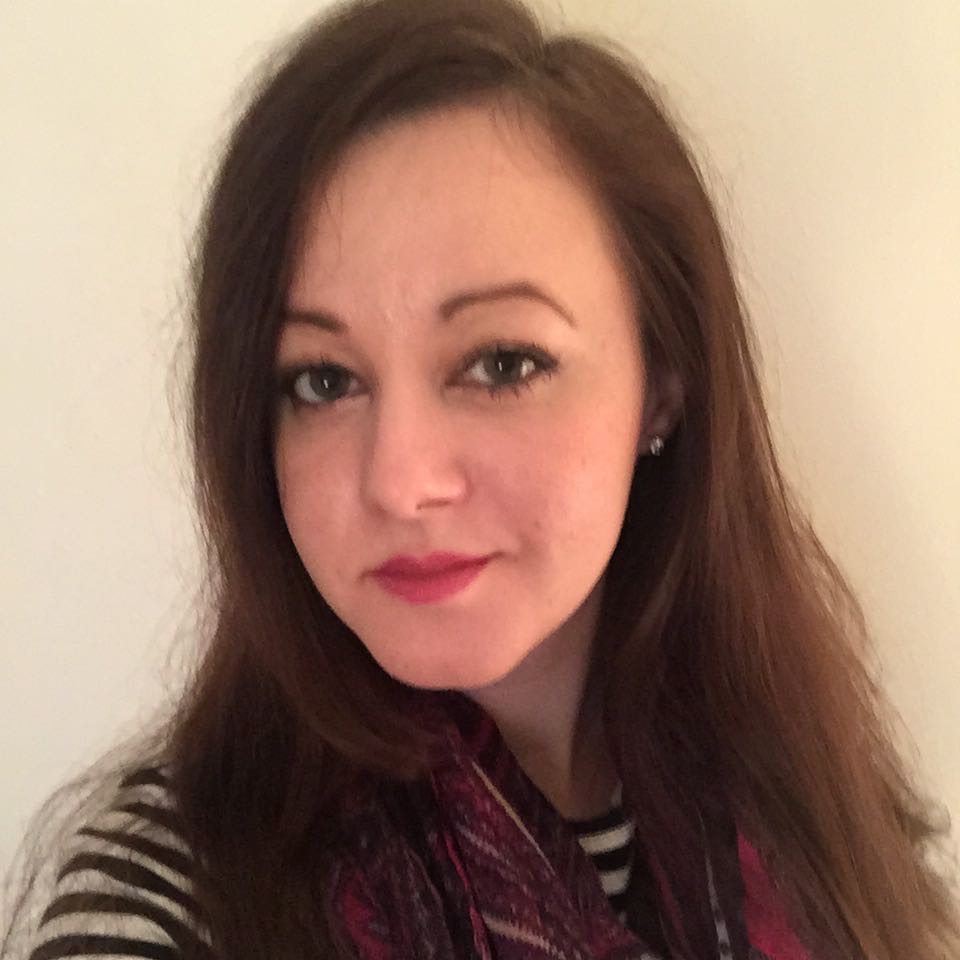
Selecting and giving voice to your narrator is as important as plotting what happens to your characters. Through a series of in-class writing exercises workshop participants will experiment with how different narrators impact viewpoint and tone. They’ll be given a handy list of narrator archetypes as they explore boundary-pushing inanimate object narrators, nameless narrators, multiple narrators, choruses, interviewers, and more.
Practice Makes Perfect: Nurturing Your Writing Habit with Elisabeth Nonas

A workshop on the art/craft/joy/special hell that is getting your ideas onto the page. After an exploration of processes, techniques, rituals, routines, and discipline, participants will have the opportunity to define their writing practice and leave with tools to keep it going.
LIMERICKS – Prepared by Bertha Rogers

It is believed that limericks date back to the 14th century and originated in the Irish town of Limerick. The limerick is a humorous five-line poem with two rhymes: one shared by the first, second and fifth lines, and the other shared by the shorter third and fourth lines. These funny limericks use their bouncy rhyme scheme to explore concepts like math, science and philosophy. You can teach them to your children or family or students – and have limerick contests.
Writing the Politics of Climate Change into Poetry with Margaret Saraco
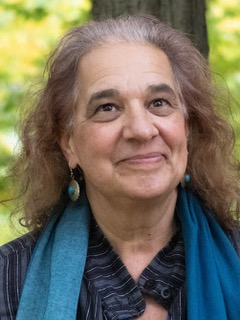
Poets have been writing about nature for centuries, but recently the global climate crisis has become a common theme. While scientists analyze and warn, politicians suggest legislative changes, poets write. In this presentation writers will discover how poetry can act as disruption, and/or illuminate complex climate issues, enticing writers to reflect, write, and activate. This workshop is designed as an interactive workshop. 1) Poets will be introduced and respond to climate crisis poetry, 2) discuss how writers can contribute to activism, 3) respond to themed writing prompts, 4) learn where to submit work to organizations that embrace climate change conversation, 4) share what we know as a group to further our understanding, and 5) create a reading resource list together.
WRITING IN RESPONSE TO WAR with Jane Schulman

Stories and poems spotlight, offer refuge, dream of reconciliation in response to conflicts and war. They offer differing perspectives, layered emotional complexity, and unimagined compassion for one side and, less often, they speak of tremendous pain and miraculous healing and shape perceptions and outcomes of war. In this workshop, participants will read work of Wislawa Symborska, Seamus Heaney, Naomi Shahib Nye, Mahmoud Darwish, Yehudah Amichai, Dan Pagis, Ben Okri, and Carolyn Forche. We’ll look at writing about three conflicts: northern Ireland, the Balkan wars of the 1990’s, and the Israel-Palestine conflict – sharing pieces written from both sides of these conflicts.
High Conflict Poetry Workshop led by Lisa Wujnovich

Poets add nuanced language to conflict, whether that conflict is political, religious, philosophical, or personal. As citizens of one small planet, war-torn, engulfed in climate crisis, we are increasingly divided and lonely, morally at odds, with finite lines drawn. In this workshop, participants will examine how poetic language in narrative and lyrical form reaches into the humanness of conflict. Participants will use poetry prompts to listen beyond first impulses and write crafted poems to tell stories that explore individuality and commonality within our high conflicts.
Back By Popular Demand
GOOD STORIES INTENSIVE led by Esther Cohen
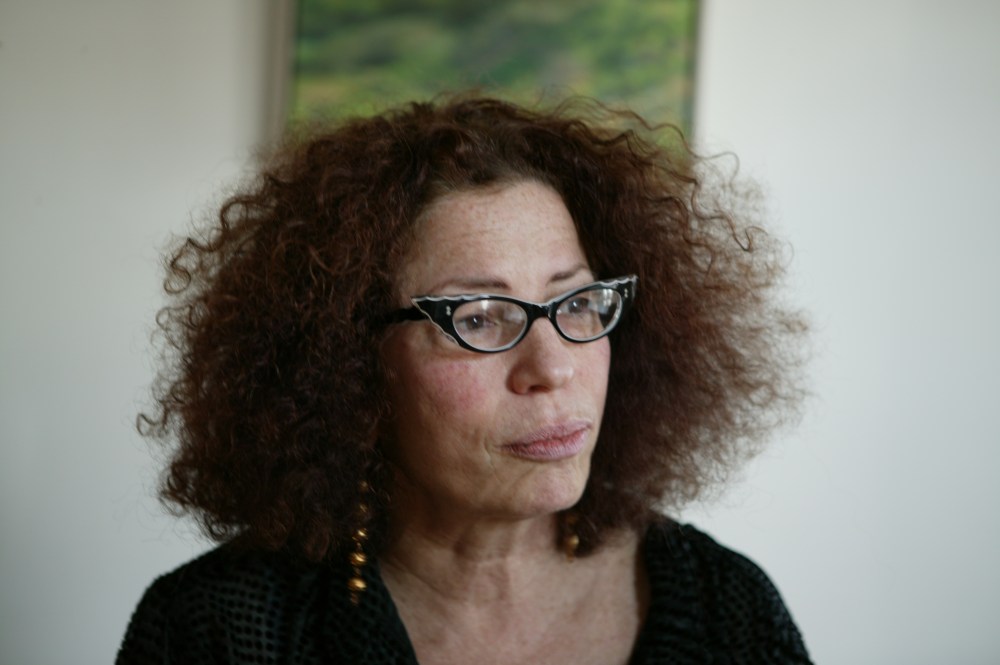
A unique opportunity to immerse yourself in a five-hour session with the incomparable Book Doctor. A perennial favorite of Festival attendees, Esther Cohen returns with her deep dive into Good Stories.
Everyone has a good story to tell. How to tell your story will be the focus of this intensive. We will look at masterful good stories, and we will tell them. We will discuss good writing, techniques, and examine what makes a story good. And we’ll each write a story of our own.
We’ve got two outstanding panels for Festival 2024:
History’s Forgotten Women: Researching and Telling their Stories
a discussion with Breena Clarke, Ellen Meeropol, and Dahlma Llanos-Figueroa.
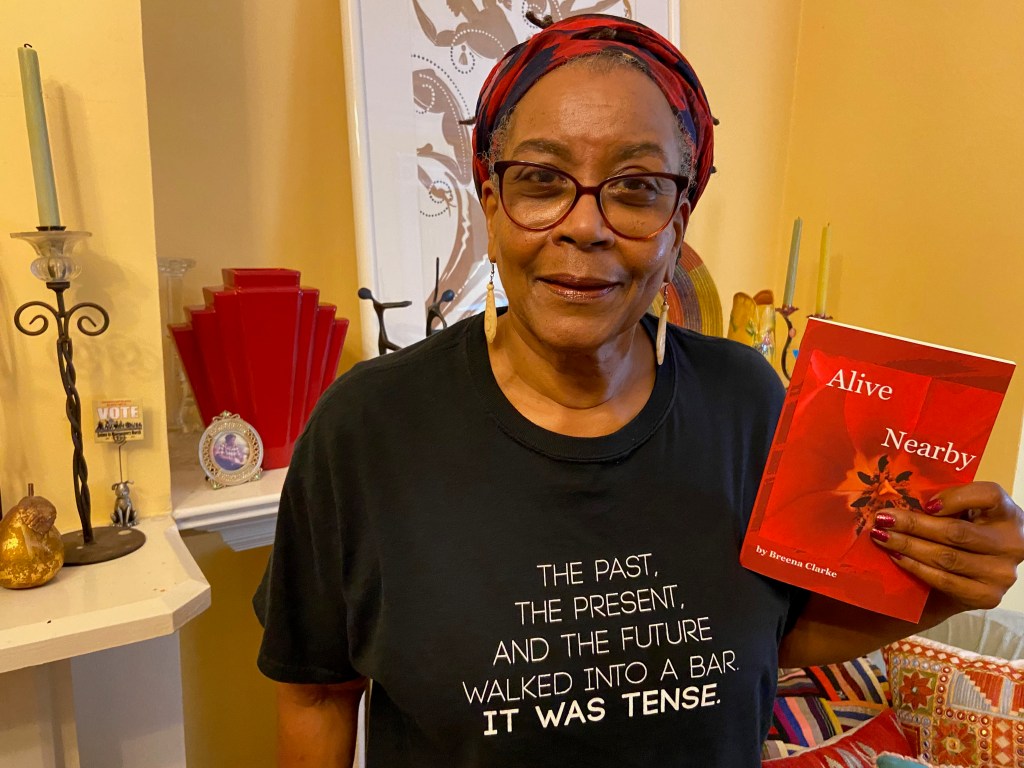
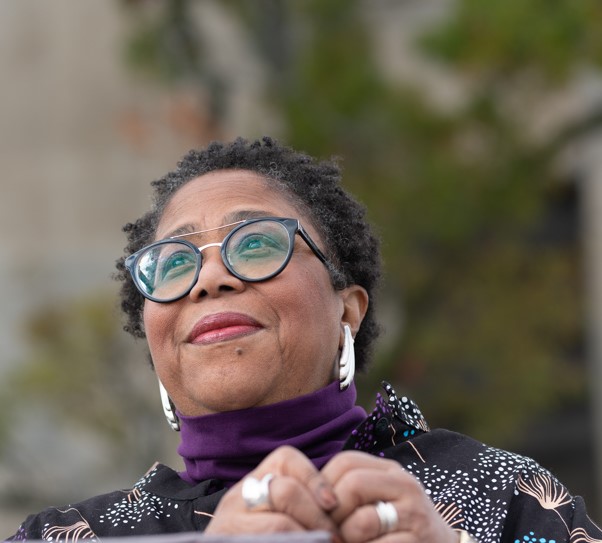
History reflects life from the outside in; fiction tells the stories from the inside out, giving voice to the voiceless. Three authors discuss the challenges of researching lost voices and integrating them into their novels. Dahlma Llanos-Figueroa’s A Woman of Endurance follows an African woman captured and sold as a breeder on a nineteenth century Puerto Rican plantation. Breena Clarke’s Alive Nearby explores the complex dynamics of documenting history. Ellen Meeropol’s The Lost Women of Azalea Court is set on the grounds of a defunct public mental asylum in western Massachusetts, where a group of neighbors dig into shameful secrets to find a missing neighbor. The conversation will include research, the limitations of research into forgotten women, the authors’ personal connections to the material, and how they balanced the needs of historical accuracy, good storytelling, and honoring their material.
Notes From The Edge: Black Lesbian Publishing
a conversation with Cheryl Clarke, Alexis DeVeaux, Briona Jones and Jewelle Gomez
This landmark gathering moderated by Cheryl Clarke will discuss the contributions of black lesbian writers to the print and publishing economy of the Women in Print movement from 1969-1990. The late Minnie Bruce Pratt once said that lesbians “see” from the edge, because in the 1980’s we were still largely invisible to the world and often to each other. And so, while we were invisible, we still saw the world and each other and wrote and published for each other. Black lesbians no less. Publications like ONYX, BLACK LESBIAN NEWSLETTER, ACHE, AZALEA, THE GAYZETTE, published, beginning in the early 1980’s, were keys to communication among black lesbian communities and tools to building an expressive culture of and for black lesbians. Although these periodicals all were based in US coastal cities, they had national and international readerships. Kitchen Table: Women of Color Press published four crucial collections of writing in the U.S., e.g., NARRATIVES: POEMS IN THE TRADITION OF BLACK WOMEN in 1982, CUENTOS: STORIES BY LATINAS, HOME GIRLS: BLACK FEMINIST ANTHOLOGY, second printing of THIS BRIDGE CALLED MY BACK: WRITINGS BY RADICAL WOMEN OF COLOR, which caused many more independent press collections of writings by Black, Latina, Asian, Native American lesbians. However, Black Lesbian writers, publishers, and editors opened the field for many women of color and feminist ventures in independent publishing.

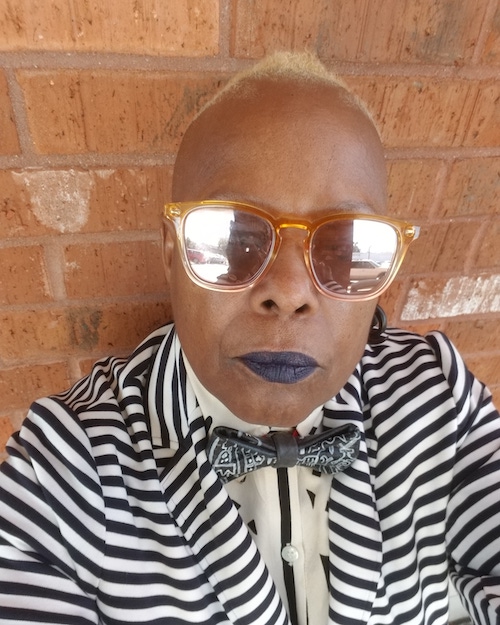
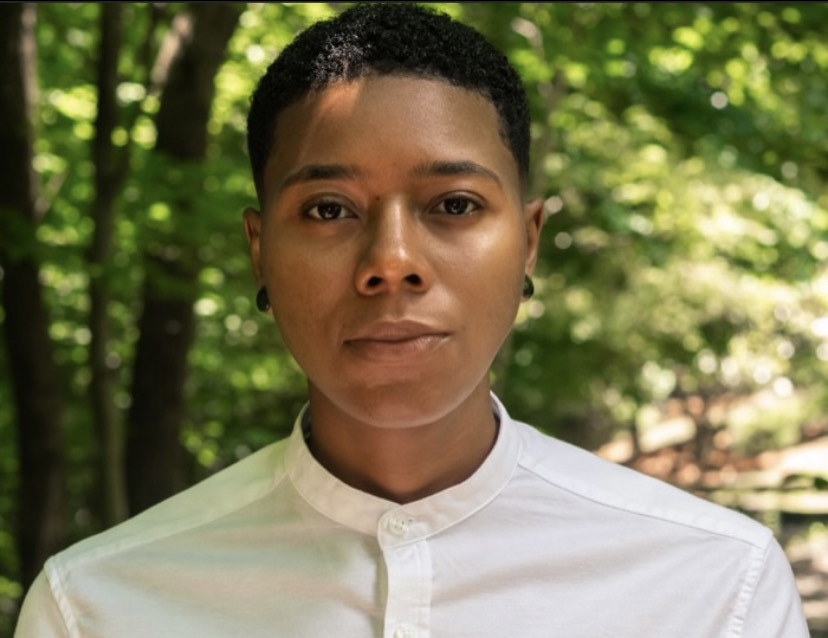

Cheryl Clarke, Alexis DeVeaux, Briona Jones, and Jewelle Gomez will speak from their experiences of publishing journals, magazines, newsletters, and books; of publishing Black lesbian/queer writers; and of controlling the means of producing our own work.
REGISTRATION FOR FESTIVAL 2024 WILL OPEN ON MAY 1, 2024
Stay up to date on the Hobart Festival of Women Writers 2024. Subscribe to this newsletter.


What a beauty-full lineup. Mixed with the breathtaking sight that is Hobart, this program promises an extraordinary experience. I am so looking forward to every minute. So much gratitude for the organizers’ vision, efforts and passion.
Thank your for community,
N
LikeLike